

India & World UpdatesHappeningsBreaking NewsFeature Story
Kuch Kuch Hota Hai: The film that redefined romance, fashion, youth culture in Bollywood, written by Shanku Sharm
//Shanku Sharma//
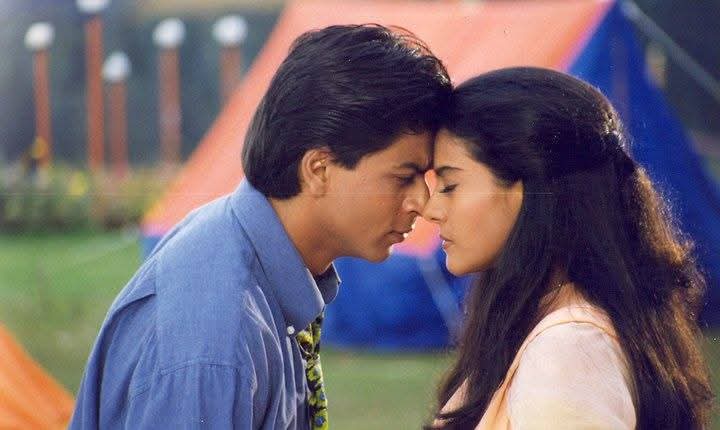
Released on October 16, 1998, Kuch Kuch Hota Hai (KKHH) marked Karan Johar’s directorial debut and quickly became a cultural phenomenon. Starring Shah Rukh Khan as Rahul, Kajol as Anjali, and introducing Rani Mukerji as Tina (with Salman Khan in a key supporting role), the film blended friendship, love, loss, and destiny into an emotional rollercoaster. It wasn’t just a blockbuster—it reshaped Hindi cinema’s language for romance, youth, and aspiration in liberalizing India.
A Commercial and Critical Triumph
The film emerged as the highest-grossing Hindi film of 1998, raking in over ₹1 billion worldwide against a ₹100 million budget. It won the National Film Award for Best Popular Film Providing Wholesome Entertainment and swept the 44th Filmfare Awards with eight trophies, including Best Film, Best Director, Best Actor (SRK), Best Actress (Kajol), Best Supporting Actor (Salman Khan), and Best Supporting Actress (Rani Mukerji)—a rare feat of winning all four major acting categories.
Its soundtrack by Jatin-Lalit, with lyrics by Sameer, became the year’s best-selling album. Tracks like the title song “Kuch Kuch Hota Hai,” “Tujhe Yaad Na Meri Aaye,” “Koi Mil Gaya,” and “Mera Mann” remain staples at celebrations and playlists decades later.
Fashion and Youth Culture: Setting Trends That Endured
KKHH’s most visible influence was on fashion and college life. The film portrayed an aspirational, glamorous college campus—complete with basketball courts, friendship bands, and stylish wardrobes sourced from London, featuring brands like DKNY and Polo. Kajol’s character Anjali transformed from a tomboy in tracksuits and a maroon jumpsuit to a graceful woman in chiffon sarees, sparking trends in both athletic wear and traditional femininity. Her short blunt haircut also caught on widely.

Friendship bands, popularized through the film’s themes of enduring bonds, became a nationwide symbol for Friendship Day. The movie turned colleges into fantasy spaces of cool confidence, influencing how Indian youth imagined campus life—vibrant, romantic, and full of song-and-dance sequences.
Tina’s modern, Western-influenced looks (miniskirts and chic outfits) contrasted with Anjali’s eventual traditional grace, reflecting the era’s East-meets-West vibe in a newly liberalized India. These styles influenced tailors and street fashion for years.
Impact on Bollywood Storytelling and Karan Johar’s Legacy
Karan Johar crafted a new syntax for romance: grand emotions, lavish visuals (shot in India, Mauritius, and Scotland), family values, and heartfelt dialogues. The love triangle—friendship turning to love, loss, and reunion—spoke to a generation navigating tradition and modernity. It built on the success of *Dilwale Dulhania Le Jayenge* (which also starred SRK and Kajol) but added Johar’s signature emotional grandeur and diaspora appeal.
The film launched Johar as a major force in Bollywood. He became known for big-hearted, stylish family dramas and romances (*Kabhi Khushi Kabhie Gham…* followed). KKHH helped define “KJo” cinema—lavish productions that resonate strongly with Indian audiences at home and abroad.
It also highlighted themes like second chances in love (a widower finding happiness again) and sacrifice, though modern viewers sometimes critique elements like the “suitable girl” trope or Rahul’s character as outdated.
Enduring Cultural Touchstone
More than 25 years later, KKHH remains a landmark for its cultural impact on music, fashion, and romantic storytelling. It is frequently referenced in lists of greatest Bollywood films and celebrated in reunions and anniversary events. Its blend of nostalgia, strong performances, and iconic moments keeps it relevant, even as audiences note how societal views on relationships have evolved.
Kuch Kuch Hota Hai captured a specific moment in India’s cultural shift—post-liberalization optimism, youthful energy, and the belief that love, friendship, and destiny could conquer all. That “something” it evokes still resonates, making it far more than a 1998 film: it is a defining chapter in Bollywood’s history and a mirror to the dreams of a generation.
Even today, when you hear those opening notes or see a friendship band, you know—kuch kuch hota hai.