
Barak UpdatesHappeningsCultureBreaking News
Living Die’: An Innovative Visual Art Performance at Assam University‘লিভিং ডাই’ : দৃশ্যকলার অভিনব উপস্থাপনা আসাম বিশ্ববিদ্যালয়ে
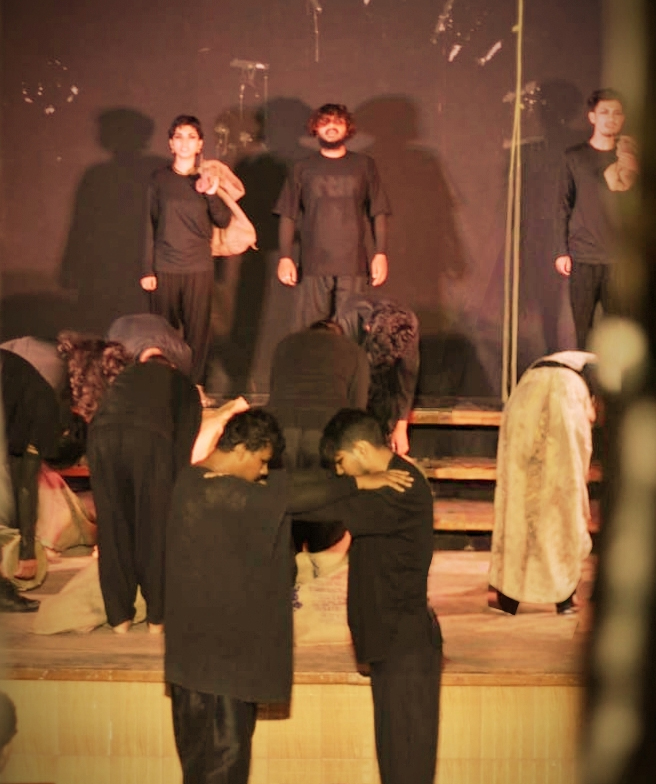
ওয়ে টু বরাক, ৪ এপ্রিল : ভিজুয়াল পারফরম্যান্স সমকালীন শিল্পের এক অভিনব মাধ্যম, যেখানে মানবদেহই শিল্পের মূল ভিত্তি হিসেবে ব্যবহৃত হয়। দেহ ও তার পারিপার্শ্বিক উপাদান—জীবিত বা জড়—নির্দিষ্ট স্থান ও পরিসরে নিজস্ব ভূমিকায় অবতীর্ণ হয়ে একেকটি স্বতন্ত্র রূপ ধারণ করে। গত বৃহস্পতিবার সেই অভিনব শিল্পের পরিবেশনা ‘লিভিং ডাই’ মুগ্ধ করলো দর্শকশ্রোতাদের।
বিপিনচন্দ্র পাল অডিটোরিয়ামে ভিজুয়াল আর্টস বিভাগের উদ্যোগে এই ভিজুয়াল পারফরম্যান্স উপস্থাপন করে ‘পেইন প্লেয়ার্স’ পারফরম্যান্স গ্রুপ। পরিচালনায় ছিলেন বিভাগের অধ্যাপক অভিব্রত চক্রবর্তী। তিনি জানান, গত দুই দশক ধরে তিনি এই ধারাকে পশ্চিমী প্রভাব থেকে পৃথক করে একটি স্বতন্ত্র রূপ দেওয়ার চেষ্টা করে চলেছেন। সেই প্রচেষ্টায় সংলাপ, বিচ্ছিন্ন ন্যারেটিভ, কোরিওগ্রাফি, সমবেত উচ্চারণ, আলো-ছায়া প্রভৃতি উপাদানকে একত্রিত করে ভিজুয়াল ও থিয়েট্রিক্যাল ভাষার মেলবন্ধন ঘটানো হয়েছে।
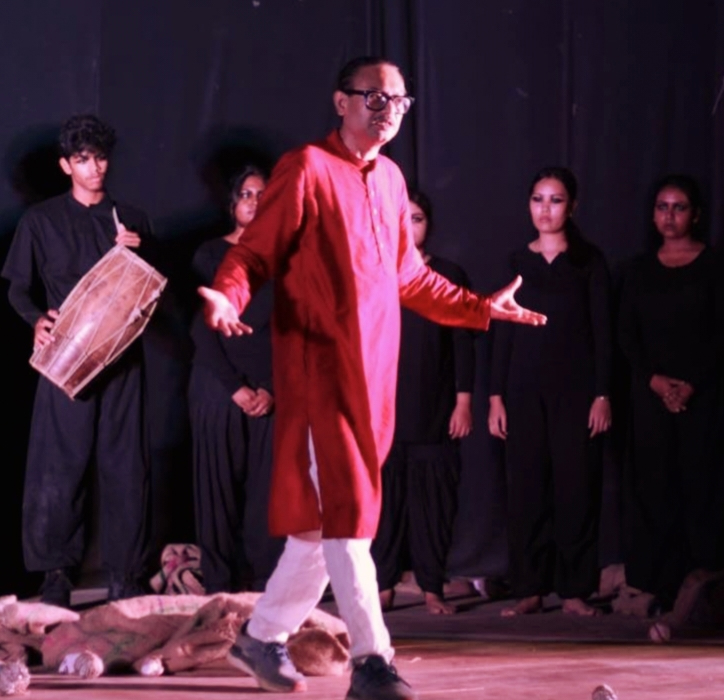
‘লিভিং ডাই’ সরাসরি কোনও নির্দিষ্ট কাহিনি উপস্থাপন না করলেও জীবন, শরীর ও সামাজিক সংঘাতের নানা টুকরো চিত্রকে কোলাজ আকারে তুলে ধরে। সংলাপ ও উপস্থাপনার মধ্য দিয়ে বর্তমান বিশ্বের অস্থিরতা এবং মানব অস্তিত্বের অনিশ্চয়তার দিকটিও স্পষ্টভাবে ফুটে ওঠে। এই পারফরম্যান্সের বিশেষ বৈশিষ্ট্য ছিল এর মুক্ত পরিসর ব্যবহার। মঞ্চের গণ্ডি পেরিয়ে প্রেক্ষাগৃহের বিভিন্ন স্থান—মঞ্চ, সিঁড়ি, দর্শকাসন, এমনকি প্রবেশদ্বার—জুড়ে শিল্পীরা উপস্থাপনা করেন, যা দর্শকদের এক ভিন্ন অভিজ্ঞতার সম্মুখীন করে। শেষে ছিল সমস্ত বাধা অতিক্রম করে মুক্তির আকাঙ্ক্ষা এবং সম্মিলিত মানবিক অস্তিত্বের উদযাপন।
এদিনের এই পারফরম্যান্সের সহযোগিতায় ছিলেন গবেষক কিরণ সিনহা ও ছাত্র অরিজিৎ। অভিনয় দৃষ্টি আকর্ষণ করেন নন্দিনী দেব, ঋদ্ধিমা নাথ, দিগঙ্গনা দাস, কিরণ সিনহা প্রমুখ। এছাড়াও এতে অংশ নেন অন্তরা রাজকুমারী, রিতিকা থাপা, ত্রিদিশা দত্ত, স্বাতি কুমারী, প্রেরণা সিনহা, নির্বাণ সিনহা, শিবম দাস, কুশল সিংহ, জয়শ্রী কলিতা, কে. নাওমে, সিদ্ধার্থ রবিদাস, বিপ্রজিত দেব, গ্রেনল্ড মারউইন, বেদস্মিতা নাথ, সঞ্চিতা নন্দী, পর্ণশ্রী চক্রবর্তী, মানবী পাল, জুহি সিংহ। আলোকচিত্রে ছিলেন অক্ষয় দে। সমগ্র প্রযোজনার ব্যবস্থাপনায় গবেষক তাবা ইয়ানিয়া, রেশমি দেবী ও প্রসেনজিৎ সাহা।
অনুষ্ঠানের শুরুতে এক সংক্ষিপ্ত সংবর্ধনা পর্বে উপস্থিত ছিলেন বিশ্ববিদ্যালয়ের ভারপ্রাপ্ত উপাচার্য অধ্যাপক অশোক সেন, স্কুল অব ক্রিয়েটিভ আর্ট ও কমিউনিকেশন স্টাডিজের ডিন অধ্যাপক নির্মল কান্তি রায় এবং বরাক উপত্যকার বিশিষ্ট নাট্যব্যক্তিত্ব সুব্রত রায় ও শান্তনু পাল। তাঁদের উত্তরীয় ও স্মারক দিয়ে সম্মানিত করা হয়। উল্লেখ্য, এর আগে ২০০৬ সালে বরাক উপত্যকায় ‘চিতা ভি পিতা হ্যায়’ শিরোনামে ভিজুয়াল পারফরম্যান্সের সূচনা করেন অভিব্রত চক্রবর্তী। পরবর্তীতে ‘সেই সব রক্তকরবীরা’, ‘ওয়ার উইদাউট গান’, ‘বিসর্জন’ প্রভৃতি প্রযোজনার ধারাবাহিকতায় ‘লিভিং ডাই’ সেই সৃজনযাত্রার সর্বশেষ সংযোজন।
Way2barak, April 4 : Visual performance is a distinctive medium of contemporary art in which the human body itself becomes the primary canvas of expression. Through the interplay of the body and its surrounding elements—both animate and inanimate—artists assume unique roles within a defined space, creating distinct visual forms. Such an experimental artistic presentation, titled “Living Die,” captivated the audience last Thursday.
The performance was staged at the Bipin Chandra Pal Auditorium under the initiative of the Department of Visual Arts, Assam University, and was presented by the performance group Pain Players. It was directed by Prof. Abhibrata Chakraborty of the department. He noted that over the past two decades, he has been striving to shape this genre into a unique form, distinct from Western influences. In this process, elements such as dialogue, fragmented narrative, choreography, collective recitation, and the use of light and shadow have been brought together to create a synthesis of visual and theatrical language.
Although “Living Die” does not narrate a linear story, it presents a collage of moments reflecting life, the human body, and social conflicts. Through its dialogues and presentation, the performance vividly highlights the instability of the contemporary world and the uncertainty of human existence. One of its most striking features was the use of an open performance space. Breaking the conventional boundaries of the stage, the artists performed across various parts of the auditorium—including the stage, stairways, seating areas, and even the entrance—offering the audience an immersive and unconventional experience. The performance concluded with a powerful message of overcoming barriers and celebrating collective human existence and the aspiration for liberation.
The production was supported by researcher Kiran Sinha and student Arijit. Notable performances were delivered by Nandini Deb, Riddhima Nath, Digangana Das, and Kiran Sinha, among others. The ensemble also included Antara Rajkumari, Ritika Thapa, Tridisha Dutta, Swati Kumari, Prerna Sinha, Nirban Sinha, Shivam Das, Kushal Singh, Jayashree Kalita, K. Naome, Siddhartha Rabidas, Biprajit Deb, Grenald Marwin, Vedsmita Nath, Sanchita Nandi, Parnashree Chakraborty, Manabi Pal, and Juhi Singh. Photography was handled by Akshay De, while overall production management was carried out by researchers Taba Yania, Reshmi Devi, and Prosenjit Saha.
The event began with a brief felicitation ceremony attended by the Incharge Vice-Chancellor Prof. Ashok Sen, Prof. Nirmal Kanti Roy, Dean of the School of Creative Arts and Communication Studies, and eminent theatre personalities of the Barak Valley, Subrata Roy and Shantanu Paul. They were honoured with traditional uttariyas and mementos.
It is noteworthy that Prof. Abhibrata Chakraborty first introduced visual performance to the Barak Valley in 2006 with “Chita Bhi Pita Hai.” Since then, productions such as “Sei Sob Raktakarabis,” “War Without Gun,” and “Bisarjan” have marked this creative journey, with “Living Die” emerging as its latest addition.