
Barak UpdatesHappeningsBreaking News
Rare Plant Rungia mastersii Rediscovered in Assam After 180 Years১৮০ বছর পর অসমে পুনরাবিষ্কৃত বিরল উদ্ভিদ ‘রুঙ্গিয়া মাস্টারসি’
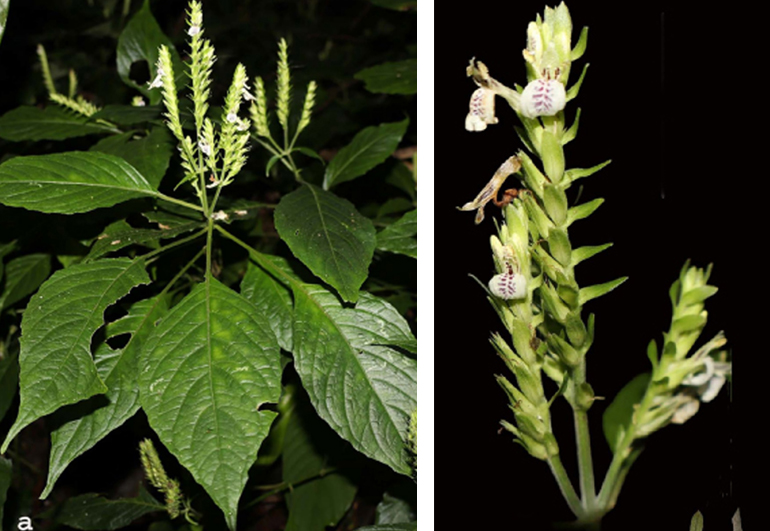
ওয়ে টু বরাক, ২৭ জুলাই : দীর্ঘ ১৮০ বছরের অপেক্ষার অবসান ঘটিয়ে অসমে পুনরাবিষ্কৃত হলো অত্যন্ত বিরল উদ্ভিদ প্রজাতি ‘রুঙ্গিয়া মাস্টারসি’। এই পুনরাবিষ্কার করে আসাম বিশ্ববিদ্যালয়ের জীববিজ্ঞান বিভাগের গবেষকেরা উত্তর-পূর্ব ভারতের উদ্ভিদবিজ্ঞানের ইতিহাসে এক অনন্য নজির স্থাপন করেছেন। গবেষক কঙ্কন কুমার দাস ও অধ্যাপক দেবজ্যোতি ভট্টাচার্যের যৌথ গবেষণায় অসমের ডিমা হাসাও জেলার জাটিঙ্গা পাহাড় অঞ্চলের এক ঝরনার পাশে স্যাঁতসেঁতে ও ছায়াযুক্ত পাথরের খাঁজ থেকে উদ্ভিদটি খুঁজে পাওয়া গেছে। আন্তর্জাতিক উদ্ভিদবিজ্ঞান বিষয়ক গবেষণা সাময়িকীতে এই যুগান্তকারী আবিষ্কারের বিস্তারিত প্রকাশিত হয়েছে।
ঐতিহাসিক নথি অনুযায়ী, ১৮৪৫ সালে ব্রিটিশ উদ্ভিদবিজ্ঞানী জে ডব্লিউ মাস্টারস অসমের ‘সুনদার’ নদীর তীরবর্তী এক অজ্ঞাত অঞ্চল থেকে প্রথম এই উদ্ভিদটি সংগ্রহ করেছিলেন। এরপর দীর্ঘ ১৮০ বছর ধরে বিশ্বের কোথাও এই প্রজাতির কোনও জীবন্ত উদ্ভিদের সন্ধান মেলেনি। এমনকি ভারতের বোটানিক্যাল সার্ভে অব ইন্ডিয়ার সংগ্রহশালাতেও এর মাত্র একটি শুকনো সংরক্ষিত নমুনা ছিল। ফলে উদ্ভিদবিজ্ঞানীদের কাছে এটি এক রহস্যময় প্রজাতি হয়ে উঠেছিল।
অধ্যাপক দেবজ্যোতি ভট্টাচার্য জানিয়েছেন, রুঙ্গিয়া মাস্টারসি মূলত অ্যাকান্থেসি পরিবারের অন্তর্গত একটি গুল্মজাতীয় উদ্ভিদ। এর উচ্চতা প্রায় ৬০ থেকে ১১০ সেন্টিমিটার পর্যন্ত হয়। সমুদ্রপৃষ্ঠ থেকে প্রায় ৯০০ থেকে ১,২৫০ মিটার উচ্চতায় এটি জন্মে। ফুলের ওপরের অংশ হালকা সবুজ বা সাদাটে এবং তাতে বেগুনি রঙের সূক্ষ্ম ছোপ দেখা যায়। তিনি জানিয়েছেন, বর্তমানে এই উদ্ভিদের মাত্র একটি নির্দিষ্ট আবাসস্থল চিহ্নিত হয়েছে, যেখানে প্রায় ৪০টি গাছ টিকে রয়েছে।
আইইউসিএনের নির্দেশিকা অনুযায়ী প্রজাতিটিকে আপাতত ‘নট ইভালুয়েটেড’ বিভাগে রাখা হয়েছে। তবে গবেষকদের মতে, এই আবিষ্কার প্রমাণ করে যে উত্তর-পূর্ব ভারত, বিশেষ করে অসমের বনাঞ্চল এখনও সমৃদ্ধ ও অনাবিষ্কৃত জীববৈচিত্র্যের এক বিশাল ভাণ্ডার। এই অতি-বিপন্ন উদ্ভিদ প্রজাতিটিকে বিলুপ্তির হাত থেকে রক্ষা করতে অবিলম্বে সরকারি পর্যায়ে নিবিড় নজরদারি ও বিশেষ সংরক্ষণমূলক ব্যবস্থা গ্রহণ করা প্রয়োজন বলে বিশেষজ্ঞরা মনে করছেন।
Way2barak, July 27 : In a remarkable botanical breakthrough, researchers from the Department of Life Science & Bioinformatics at Assam University have rediscovered the extremely rare plant species Rungia mastersii in Assam after an absence of nearly 180 years, marking a significant milestone in the botanical history of Northeast India. The species was rediscovered by researcher Kankan Kumar Das and Prof. Debjyoti Bhattacharyya during field investigations in the Jatinga Hills of Dima Hasao district, Assam. The plant was found growing in moist, shaded rock crevices beside a stream. Details of this landmark discovery have been published in an international peer-reviewed botanical journal.
According to historical records, the species was first collected in 1845 by British botanist J. W. Masters from an unidentified locality along the banks of the Sundar River in Assam. Since then, no living specimen has been recorded anywhere in the world for nearly 180 years. Even the Botanical Survey of India possessed only a single preserved herbarium specimen, making the plant one of the most enigmatic species known to botanists.
Prof. Debjyoti Bhattacharyya explained that Rungia mastersii belongs to the Acanthaceae family and is a shrubby herb growing to a height of approximately 60 to 110 cm. It occurs at elevations ranging from about 900 to 1,250 metres above sea level. The flowers are pale green to whitish with delicate purple markings. Researchers have so far identified only a single natural habitat supporting around 40 surviving individuals.
Under the International Union for Conservation of Nature (IUCN) guidelines, the species is currently classified as ‘Not Evaluated’. However, the researchers emphasised that the rediscovery highlights the immense and still unexplored biodiversity of Northeast India, particularly the forests of Assam. Experts believe that immediate government intervention, including intensive monitoring and targeted conservation measures, is essential to protect this critically rare plant species from the risk of extinction.