

India & World UpdatesHappeningsBreaking NewsFeature Story
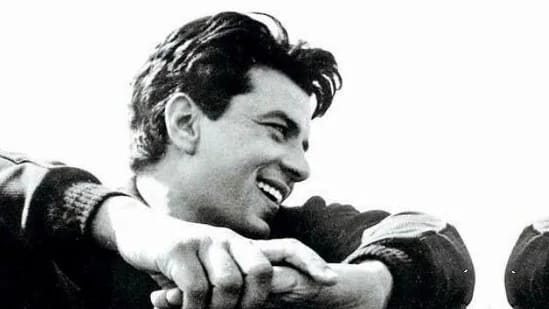
Dharmendra’s Enduring Charm & the Cinema He Helped Shape, written by Shanku Sharma
//Shanku Sharma //
Dharmendra’s story begins far from the glare of studio lights. Picture a young man in rural Punjab, restless and hungry for something larger than the life set out for him. His father wanted him to teach. His mother nudged him toward his dreams. He repaired machines, entered a talent contest on a whim, and suddenly Mumbai opened its door. That mix of grit, luck, and stubborn hope shaped everything that followed.
Here’s what matters. Dharmendra didn’t walk into Hindi cinema as a ready-made star. He grew into one, film by film, under directors who could see past the quiet exterior. Bimal Roy’s Bandini was the first sign. The camera loved his stillness. It let audiences discover an actor who could say as much with silence as others did with pages of dialogue.
The shift came quickly after. By the mid-sixties he had caught the country’s attention. Phool Aur Patthar turned him into the tough, unbreakable figure that earned him the He-Man tag. But reducing him to brawn misses the point. Watch Anupama or Satyakam and you’ll see a performer working with surprising delicacy. He handled romance with calm confidence and drama with a sense of dignity that became his signature.
Then came the films that welded him into the national memory. Mera Gaon Mera Desh showed he could command an action frame without losing the emotional line. Sholay sealed the legend. As Veeru, he was warm, impulsive, funny and entirely human, the perfect counterweight to the film’s thunderous scale. Actors get remembered for iconic scenes. Dharmendra got remembered for making those scenes feel lived-in.
Across more than two hundred films, he moved from intense roles to comedy without hesitation. Some actors reinvent themselves when the industry changes. Dharmendra simply expanded, shifting between genres while keeping the honesty of his screen presence intact. Directors valued that reliability. Audiences trusted it.
The personal side of his life often ran parallel to his stardom. His marriage to Prakash Kaur grounded his early years in the industry, and his later marriage to Hema Malini created one of Bollywood’s most closely watched families. The values he passed down—work hard, stay humble—shaped not only his children but an entire second generation of actors who grew up watching him navigate the highs and lows without losing his sense of self.
Recognition followed at its own pace. A Padma Bhushan, a Filmfare Lifetime Achievement Award, a National Award for Ghayal as a producer. The awards matter, but they never defined him. What defined him was the quiet consistency: show up, deliver, don’t pretend to be larger than the craft.
Even in his later years, well past the age when most actors retreat from the screen, he kept returning. Sometimes in cameos, sometimes in more substantial roles, simply because he loved the work. That’s the thread that runs through his entire career. Love for the medium, for the people who watched him, for the idea that cinema could move someone sitting in the last row of a theatre.
When he passed away on November 24, 2025, tributes poured in from every corner of the industry. What stood out wasn’t just the nostalgia. It was the warmth. Actors spoke of him as someone who never let fame harden him. Fans remembered the first time they saw him stride across a giant screen. Critics revisited performances that carried surprising depth beneath the star image.
What this really means is that Dharmendra’s legacy doesn’t rest on a single film or phase. It rests on a body of work that shaped mainstream Hindi cinema’s idea of the hero for decades. Strength with softness. Charm without artifice. A presence that felt both aspirational and approachable.
He didn’t just act in Bollywood’s golden age. He helped define it, and he stayed relevant long enough to see the industry transform several times over. Few actors manage that kind of arc. Even fewer do it with the steadiness and generosity that marked Dharmendra’s life.
The screen will play his films for years, but the imprint he leaves—on storytelling, on the idea of stardom, on the people he inspired—runs deeper. That’s the measure of a true legend, and Dharmendra earned it the patient way. One role at a time.