
Barak UpdatesHappeningsBreaking News
Assam University Organises ‘Friends of Sonbeel’ Programme to Promote Wetland Biodiversity Awareness
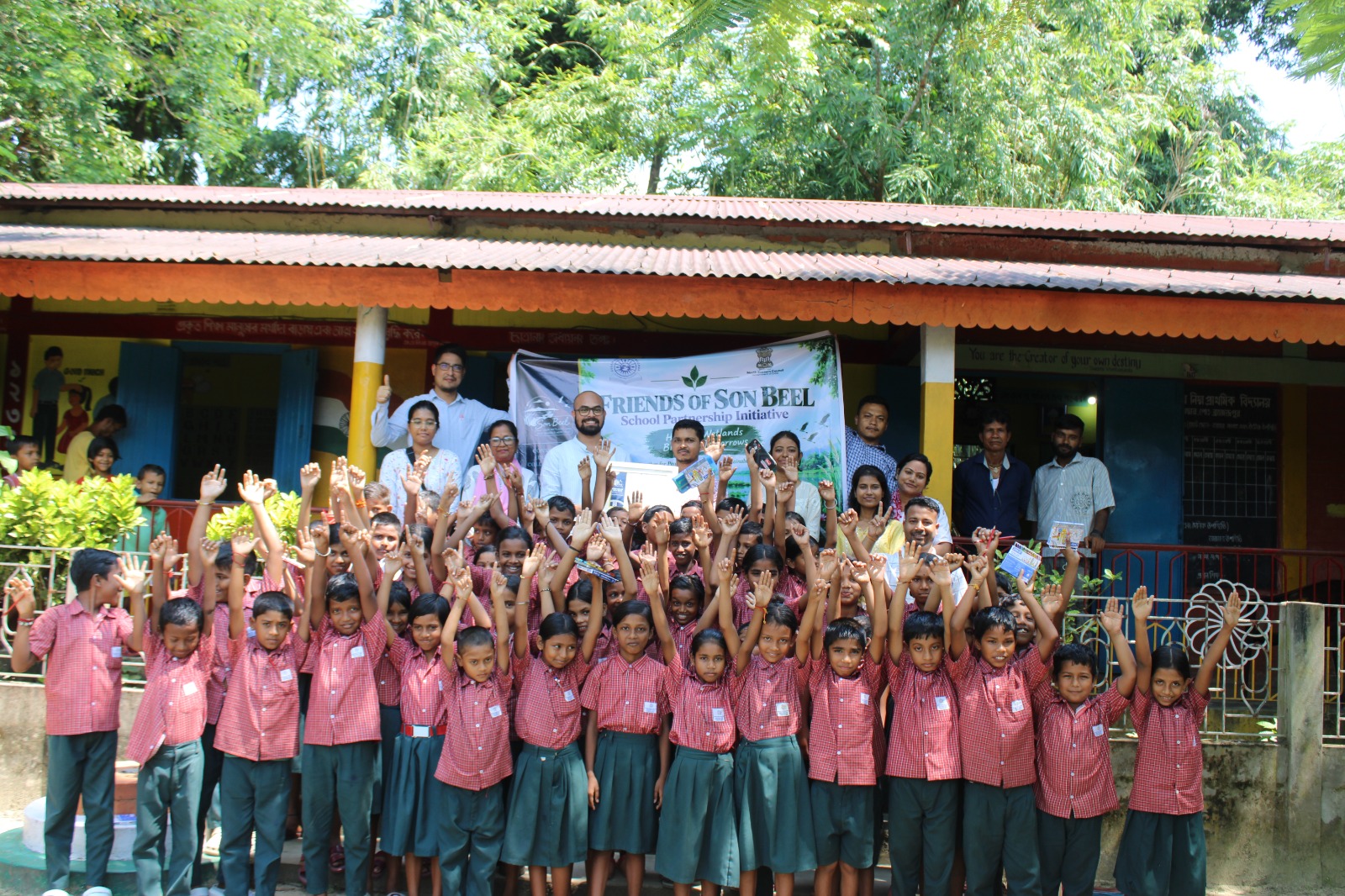
way2barak, September 19: Assam University, Silchar, organised a two-day environmental outreach programme titled “Friends of Sonbeel” at Sonbeel on September 15 and 16, 2026, with the objective of creating greater awareness about the ecological significance, biodiversity and conservation of the wetland. The initiative was organised under the vision and guidance of Prof. Rajive Mohan Pant, Vice-Chancellor, Assam University, Silchar, and coordinated by Prof. Arunjyoti Nath, Project Coordinator. The programme reflected the university’s commitment to taking education beyond the conventional classroom and establishing meaningful connections between academic institutions, schools and local communities. The central idea of the initiative was to encourage young learners to understand Sonbeel not merely as a geographical feature, but as a living ecosystem that supports diverse forms of life and remains closely connected with the lives and livelihoods of surrounding communities. The programme therefore sought to combine knowledge, creativity and direct interaction to nurture a deeper sense of environmental responsibility among students.
As part of the two-day outreach, an eight-member team from Assam University visited Sonbeel and interacted with students and teachers across three schools. The team comprised Dr. Animekh Hazarika, Euni Gogoi, Arundhati Paul Chowdhury, Anisha Dey, Surjo Bey, Kajal Das, Swapnodeep Sen and Ring Greegdao Phonglosa. On September 15, the team visited Debdwar Lower Primary School, Debdwar, where students were introduced to the importance of their local environment through educational and creative activities. On September 16, the programme continued at Swami Vivekananda High School (English Medium), Anandapur, and Subhash High School, Kalibari. The participation of these three schools provided an important platform for bringing environmental education closer to students living in the Sonbeel region. The interactions also created an opportunity for the university team to engage directly with teachers and young learners, understand their perspectives and encourage them to become more attentive to the ecological resources surrounding their communities.
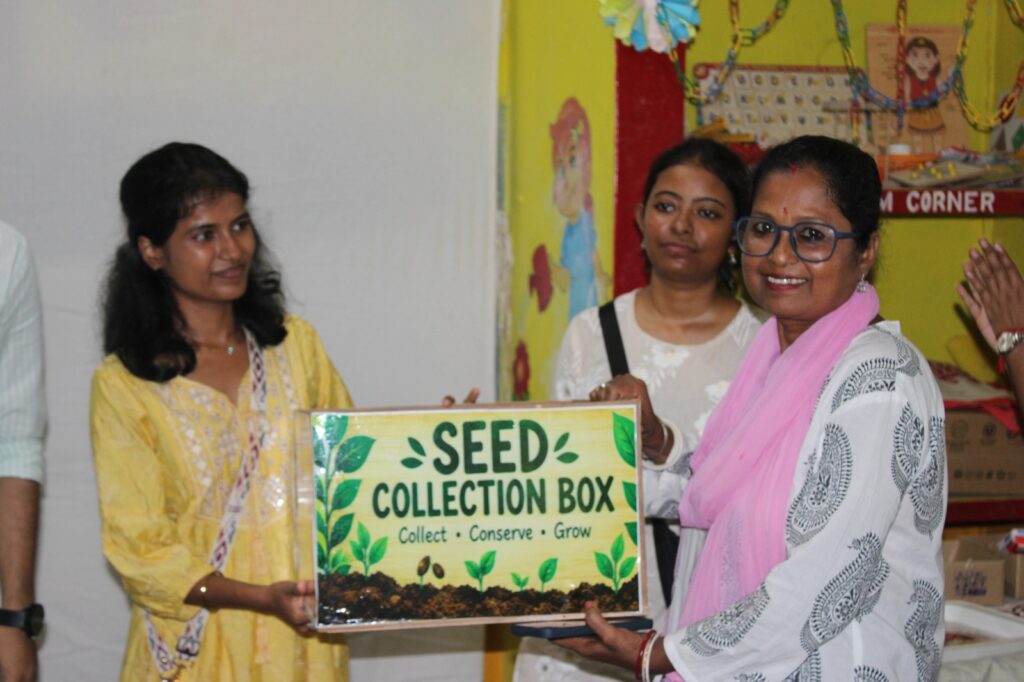
A major attraction of the programme was an art competition through which students expressed their understanding of Sonbeel, its natural beauty, wildlife, biodiversity and the importance of conservation. The creative exercise allowed students to communicate environmental ideas through visual expression and provided an opportunity to reflect on the relationship between nature and human life. An extempore speech competition was also organised, encouraging students to speak spontaneously on themes related to Sonbeel, wetlands, biodiversity and environmental conservation. The activity not only promoted environmental awareness but also provided students with an opportunity to develop confidence, independent thinking and communication skills. Another important component was an informative awareness session on the diverse species associated with Sonbeel. Students were introduced to the wetland’s biological richness, including fish, birds, aquatic organisms and other species that depend upon wetland habitats. The session highlighted the interconnected nature of ecosystems and helped students understand why the protection of habitats is essential for maintaining biodiversity and ecological balance.
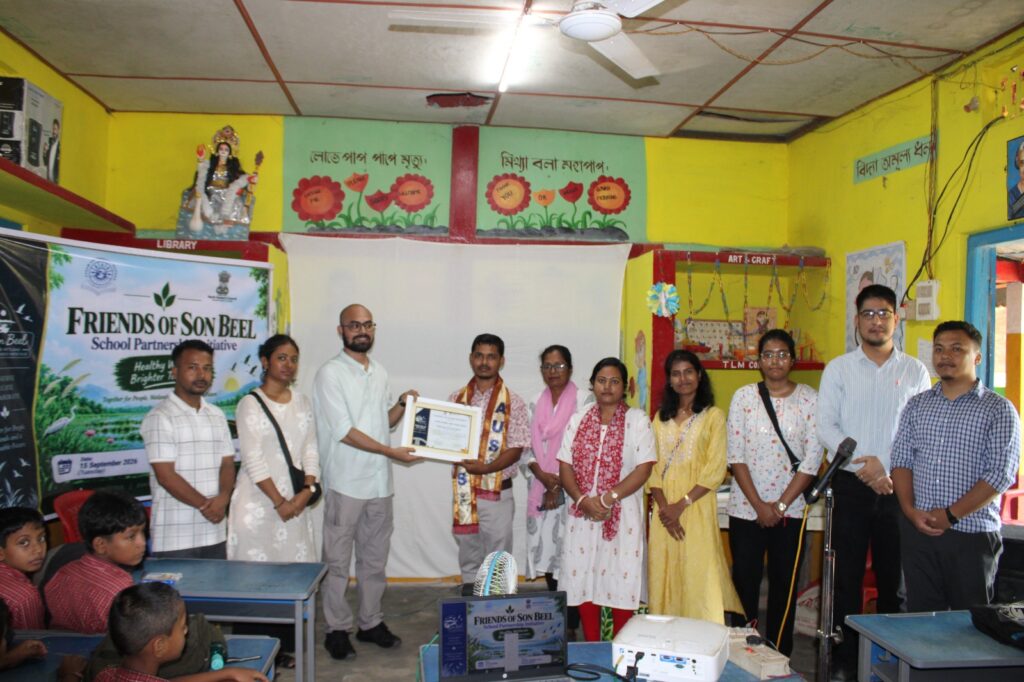
The programme generated several concrete educational outcomes, including the direct engagement of three schools, increased exposure of students to Sonbeel’s biodiversity and the creation of platforms for young learners to express their environmental perspectives through art and public speaking. It also strengthened the interaction between Assam University and school communities and demonstrated the value of experiential environmental education. The initiative reflected Prof. Rajive Mohan Pant’s vision of strengthening the university’s social and educational engagement beyond the campus, while the coordination of Prof. Arunjyoti Nath placed emphasis on participatory learning in which students could observe, communicate, create and engage with local ecological issues. The “Friends of Sonbeel” programme ultimately sought to build a sustained culture of environmental awareness by placing young people at the centre of conservation education. The two-day initiative concluded with an emphasis on continued youth participation, biodiversity awareness, environmental education and community engagement, reinforcing the message that the conservation of Sonbeel requires knowledge, collective responsibility and an enduring connection between people and their natural heritage.