
Barak UpdatesHappeningsCultureBreaking News
Central University Pays Solemn Tribute to Language Martyrsশ্রদ্ধাবনত চিত্তে ভাষা শহিদ স্মরণ কেন্দ্রীয় বিশ্ববিদ্যালয়ে
Assam University Not a Product of the So-called Assam Movement : Dr. Joydeep Biswas
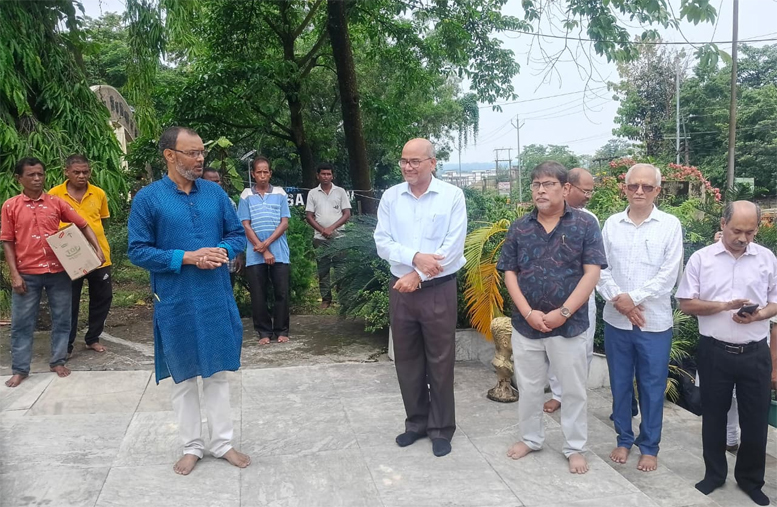
ওয়ে টু বরাক, ১৯ মে : ১৯৬১ সালের ভাষা আন্দোলনের একাদশ শহিদকে গভীর শ্রদ্ধা ও কৃতজ্ঞতার সঙ্গে স্মরণ করল আসাম বিশ্ববিদ্যালয়। মঙ্গলবার ভাষা শহিদ দিবস উপলক্ষে বিশ্ববিদ্যালয়ে দিনব্যাপী নানা কর্মসূচির আয়োজন করা হয়। সকাল থেকেই বিশ্ববিদ্যালয় চত্বর শহিদ স্মরণে মুখর হয়ে ওঠে। এদিন সকালে উপাচার্য অধ্যাপক রাজীব মোহন পন্থ, নিবন্ধক ড. প্রদোষ কিরণ নাথ, ডিন অ্যাকাডেমিক্স অধ্যাপক চিররঞ্জন ভট্টাচার্য, আয়োজক সমিতির সমন্বয়ক অধ্যাপক দেবাশিস ভট্টাচার্য, ডিএসডব্লিউ অধ্যাপক বরুণজ্যোতি চৌধুরী, প্রক্টর অধ্যাপক প্রদীপ্ত দাস সহ বিভিন্ন স্কুলের ডিন, বিভাগীয় প্রধান, শিক্ষক সংগঠন আউটা ও শিক্ষাকর্মী সংগঠন আনটিয়ার প্রতিনিধিরা এবং ছাত্র সংসদের কর্মকর্তারা শহিদ মিনারে পুষ্পার্ঘ্য অর্পণ করে ভাষা শহিদদের প্রতি শ্রদ্ধা জানান। পরে বাংলা বিভাগের সামনে অবস্থিত শহিদ বেদিতেও শ্রদ্ধার্ঘ্য নিবেদন করা হয়।
বিশ্ববিদ্যালয়ের স্বপ্না দেবী স্মৃতি সদনে আয়োজিত মূল আলোচনা সভায় পৌরোহিত্য করেন উপাচার্য অধ্যাপক রাজীব মোহন পন্থ। স্বাগত বক্তব্যে দেবাশিস ভট্টাচার্য বলেন, উনিশের ভাষা সংগ্রাম কেবল ভাষা ও সংস্কৃতি রক্ষার আন্দোলন ছিল না, বরং বহুসাংস্কৃতিকতা ও বহুভাষিকতার আদর্শ প্রতিষ্ঠার সংগ্রামও ছিল। তিনি বলেন, এই আন্দোলনের ধারাবাহিকতা থেকেই বরাক উপত্যকায় বিশ্ববিদ্যালয় প্রতিষ্ঠার দাবি গণআন্দোলনের রূপ নিয়েছিল।
সভায় বক্তব্য রাখেন বিশ্ববিদ্যালয় শিক্ষক সংস্থার সভাপতি অধ্যাপক অমিত কুমার দাস, আনটিয়ার প্রতিনিধি ববি ডিমাসা এবং অধ্যাপক শান্তি পোখরেল। অধ্যাপক পোখরেল আসামে নেপালি সম্প্রদায়ের নিজস্ব পরিচয় তুলে ধরার ক্ষেত্রে এক ধরনের সংকোচ তৈরি হওয়ায় উদ্বেগ প্রকাশ করেন। তিনি বলেন, ভাষা ও সংস্কৃতির জন্য আত্মত্যাগের যে ঐতিহ্য বরাক উপত্যকায় রয়েছে, তা আজও নতুন প্রজন্মকে অনুপ্রাণিত করে।

উপাচার্য অধ্যাপক রাজীব মোহন পন্থ তাঁর বক্তব্যে বলেন, ভাষা শুধুমাত্র যোগাযোগের মাধ্যম নয়, এটি মানুষের পরিচয়ের অন্যতম নিরিখ। ভাষা শহিদদের স্মরণ করার মধ্য দিয়ে বিশ্ববিদ্যালয় এই অঞ্চলের ক্ষুদ্র ভাষিক গোষ্ঠীগুলির ভাষা, কৃষ্টি ও সংস্কৃতি সংরক্ষণ ও বিকাশে নিজেদের দায়বদ্ধতাকেও পুনর্ব্যক্ত করেছে।
বিশিষ্ট সমাজবিজ্ঞানী অধ্যাপক জয়দীপ বিশ্বাস তাঁর দীর্ঘ বক্তব্যে বরাক উপত্যকার ভাষা আন্দোলনের বিভিন্ন পর্যায়, তার ঐতিহাসিক প্রেক্ষাপট এবং বর্তমান প্রাসঙ্গিকতা বিশদভাবে তুলে ধরেন। তিনি বলেন, উনিশের চেতনা যদি শুধুমাত্র স্মরণসভা বা আবেগঘন চর্চার মধ্যে সীমাবদ্ধ থাকে, তবে তার প্রাসঙ্গিকতা ধীরে ধীরে ক্ষয়প্রাপ্ত হবে। বরং লোকআখ্যান, সামষ্টিক স্মৃতি ও সাংস্কৃতিক চর্চার মধ্য দিয়েই উনিশ আজও জীবন্ত রয়েছে। তাঁর মতে, স্মৃতি ম্লান হয়ে গেলেও আখ্যান বেঁচে থাকে এবং সেই আখ্যানের মধ্যেই রূপান্তরের সম্ভাবনা নিহিত থাকে। অধ্যাপক বিশ্বাস বলেন, ভাষা আন্দোলনের ইতিহাসকে আবেগে ভেসে নয়, যথার্থ ঐতিহাসিক প্রেক্ষাপটে বিচার করা প্রয়োজন। ভোট রাজনীতির স্বার্থে আখ্যান বিকৃতি এক বিষয় হলেও, পরিকল্পিতভাবে ইতিহাস বিকৃত করার প্রয়াস আরও উদ্বেগজনক বলে তিনি মন্তব্য করেন।
অধ্যাপক বিশ্বাস স্পষ্ট ভাষায় বলেন, আসাম বিশ্ববিদ্যালয় তথাকথিত ‘আসাম আন্দোলনের’ ফসল নয়; বরং বরাক উপত্যকার কয়েক দশকব্যাপী আন্দোলন, শিক্ষা সংরক্ষণ সমিতি এবং আকসার ধারাবাহিক দাবির ফল। তাঁর মতে, ঐতিহাসিক ভাষা সংগ্রাম থেকেই এই আন্দোলন শক্তি ও প্রেরণা লাভ করেছিল। বর্তমান সময়ে পরিচয়ের প্রশ্নে ভাষিক পরিচিতি ও ধর্মীয় পরিচয়ের মধ্যে দ্বন্দ্ব তৈরি হওয়ার প্রসঙ্গও তিনি উত্থাপন করেন। পরিচয় কখনও ওপর থেকে চাপিয়ে দেওয়া উচিত নয় উল্লেখ করে অধ্যাপক বিশ্বাস বলেন, একজন মানুষ তাঁর পরিচয় কীভাবে নির্ধারণ করবেন, তা তাঁর নিজের ওপরই ছেড়ে দেওয়া উচিত। আন্তন চেখভের গল্পের প্রসঙ্গ টেনে তিনি বলেন, বরাক উপত্যকার জনজীবন ধীরে ধীরে ভাষা আন্দোলনের চেতনা থেকে সরে এসে এক ধরনের সর্বংসহ স্থবিরতার দিকে এগোচ্ছে, যা নিয়ে উদ্বেগের যথেষ্ট কারণ রয়েছে।
অনুষ্ঠানে ধন্যবাদ সূচক বক্তব্য রাখেন অধ্যাপক বরুণজ্যোতি চৌধুরী। তিনি আসামের বাইরেও ভাষা শহিদ দিবস পালনের বিভিন্ন দৃষ্টান্ত তুলে ধরেন। পুরো অনুষ্ঠান সঞ্চালনা করেন ড. জয়শ্রী দে। অনুষ্ঠানে ছাত্র সংসদের সাধারণ সম্পাদকও বক্তব্য রাখেন। আলোচনা সভার পাশাপাশি সাংস্কৃতিক অনুষ্ঠান ছিল বিশেষ আকর্ষণ। অধ্যাপক জগন্নাথ বর্মনের নেতৃত্বে বিশ্ববিদ্যালয়ের পারফর্মিং আর্ট বিভাগের ছাত্রছাত্রী ও গবেষকদের পরিবেশনা দর্শকদের মুগ্ধ করে। এছাড়া সুরসঙ্গম সঙ্গীত বিদ্যালয় ও নটরাজ নৃত্য ও সঙ্গীত বিদ্যালয়ের ছাত্রছাত্রীরা অধ্যাপক প্রদীপ্ত দাসের নেতৃত্বে নৃত্য সহযোগে সমবেত বেহালা পরিবেশনায় কয়েকটি রবীন্দ্রসঙ্গীত পরিবেশন করেন।
Way2barak, May 19 : Assam University solemnly remembered the eleven martyrs of the 1961 Language Movement with deep respect and gratitude on the occasion of Language Martyrs’ Day on Tuesday. The university organised a series of day-long programmes to commemorate the occasion, with the campus resonating with tributes to the martyrs from the early hours of the morning.
Vice-Chancellor Prof. Rajive Mohan Pant, Registrar Dr. Pradosh Kiran Nath, Dean Academics Prof. Chiraranjan Bhattacharjee, organising committee coordinator Prof. Debashis Bhattacharya, DSW Prof. Barunjyoti Choudhury, Proctor Prof. Prodipto Das, along with deans of various schools, heads of departments, representatives of the teachers’ body AUTA and employees’ association AUNTEA, and office bearers of the students’ union, offered floral tributes at the Martyrs’ Memorial. Later, homage was also paid at the memorial altar located in front of the Department of Bengali.
The main discussion session, held at Swapna Devi Memorial Hall of the university, was presided over by Vice-Chancellor Prof. Pant. Delivering the welcome address, Prof. Debashis Bhattacharya stated that the Language Movement of May 19 was not merely a struggle to protect language and culture, but also a movement for the ideals of multilingualism and multiculturalism. He added that the demand for establishing a university in the Barak Valley had later evolved into a mass movement inspired by the spirit of that struggle.
Speakers at the meeting included AUTA president Prof. Amit Kumar Das, AUNTEA representative Boby Dimasa and Prof. Shanti Pokhrel. Prof. Pokhrel expressed concern over the growing hesitation among the Nepali community in Assam in asserting its own identity. He observed that the tradition of sacrifice for language and culture in the Barak Valley continues to inspire younger generations even today.
In his address,
Vice-Chancellor Prof. Pant remarked that language is not merely a medium of communication, but one of the key markers of human identity. He said that by commemorating the language martyrs, the university had also reaffirmed its commitment to preserving and promoting the languages, traditions and cultures of the region’s smaller linguistic communities.
Prominent sociologist Prof. Joydeep Biswas delivered an extensive lecture outlining the different phases of the Barak Valley Language Movement, its historical context and its continuing relevance. He observed that if the spirit of May 19 remains confined only to memorial meetings or emotional remembrance, its relevance would gradually diminish. Instead, he argued, the movement survives through folk narratives, collective memory and cultural practices. According to him, even when memories fade, narratives endure, and within those narratives lies the possibility of transformation.
Prof. Biswas further stated that the history of the Language Movement must be assessed within its proper historical context rather than through emotional interpretations. While distortion of narratives for electoral politics is one issue, he remarked that deliberate attempts to distort history are even more alarming.
He categorically stated that Assam University was not the outcome of the so-called “Assam Movement,” but rather the result of decades-long struggles in the Barak Valley, including sustained demands raised by education protection committees and various organisations. According to him, the historic language struggle had provided both strength and inspiration to that movement.
Prof. Biswas also referred to the growing tension in contemporary times between linguistic identity and religious identity. Emphasising that identity should never be imposed from above, he said individuals must be free to define their own identity. Referring to a story by Anton Chekhov, he warned that public life in the Barak Valley appears to be gradually drifting away from the spirit of the Language Movement towards a state of passive stagnation, which he described as a matter of serious concern.
The vote of thanks was delivered by Prof. Barunjyoti Choudhury, who highlighted several examples of Language Martyrs’ Day being observed outside Assam as well. The programme was conducted by Dr. Jayashri Dey. The General Secretary of the students’ union also addressed the gathering.
Apart from the discussion session, cultural performances remained a major attraction of the programme. Students and research scholars of the Department of Performing Arts, under the guidance of Prof. Jagannath Barman, captivated the audience with their performances. Students of Sursangam Music School and Nataraj Dance and Music School, under the direction of Prof. Pradipta Das, also presented a violin ensemble accompanied by dance performances of several Rabindra Sangeet numbers.