
Barak UpdatesHappeningsBreaking News
India@2047: Assam University Hosts Key Workshop on Climate Economyভারত@২০৪৭ : জলবায়ু সহনশীল অর্থনীতি গঠনে কর্মশালা আসাম বিশ্ববিদ্যালয়ে
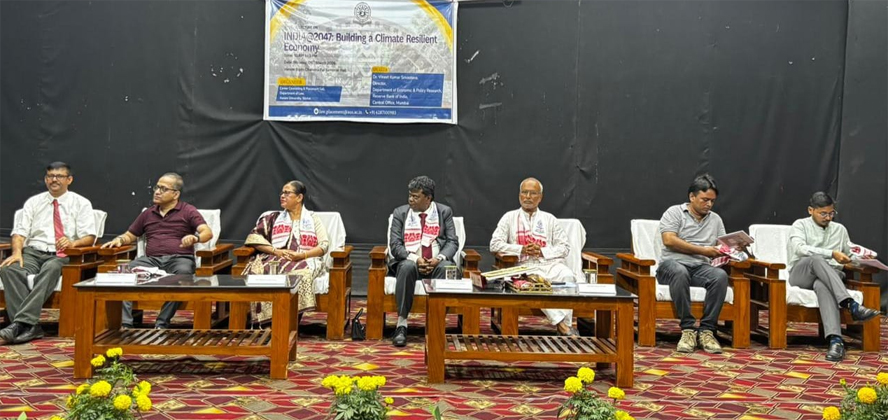
ওয়ে টু বরাক, ১০ মার্চ : আসাম বিশ্ববিদ্যালয়ের আইন বিভাগের উদ্যোগে আয়োজিত হলো “ভারত@২০৪৭ : জলবায়ু সহনশীল অর্থনীতি গঠন” শীর্ষক এক কর্মশালা। বিপিনচন্দ্র পাল মিলনায়তনে আয়োজিত এই কর্মশালায় বিশিষ্ট শিক্ষাবিদ, নীতিনির্ধারক ও শিক্ষার্থীরা অংশ নিয়ে জলবায়ু পরিবর্তন, টেকসই উন্নয়ন এবং ভারতের ভবিষ্যৎ অর্থনীতির পারস্পরিক সম্পর্ক নিয়ে আলোচনা করেন। এতে প্রধান অতিথি হিসেবে উপস্থিত ছিলেন রিজার্ভ ব্যাংক অব ইন্ডিয়ার উপ-পরিচালক ড. বিনীত কুমার শ্রীবাস্তব।
স্বাগত বক্তব্য রাখেন সমন্বয়ক ড. আশিস র্যানসম। তিনি বলেন, টেকসই ও ন্যায়সঙ্গত অর্থনৈতিক কাঠামো গঠনে জলবায়ু সহনশীলতা নিয়ে আলোচনা অত্যন্ত গুরুত্বপূর্ণ। আইন অনুষদের ডিন অধ্যাপক মধুমিতা ধর সরকার স্বাধীনতার শতবর্ষ উপলক্ষে “ভারত@২০৪৭”-এর দৃষ্টিভঙ্গি তুলে ধরেন। তিনি বলেন, একবিংশ শতাব্দীর অন্যতম বড় চ্যালেঞ্জ হয়ে উঠেছে জলবায়ু সহনশীলতা এবং পরিবেশগত স্থিতিশীলতা ছাড়া সামাজিক স্থিতি, অর্থনৈতিক উন্নয়ন ও মানবকল্যাণ সম্ভব নয়। সিসিপিসি সমন্বয়ক অধ্যাপক দেবমাল্য ঘোষ শিক্ষার্থীদের কর্মসংস্থানের পরিবর্তিত ধারা ও প্লেসমেন্ট সেলের ভূমিকা নিয়ে বক্তব্য রাখেন।
প্রধান অতিথি ড. বিনীত কুমার শ্রীবাস্তব উত্তর-পূর্ব ভারতের প্রাকৃতিক সৌন্দর্য ও সাংস্কৃতিক বৈচিত্র্যের প্রশংসা করেন এবং আসাম বিশ্ববিদ্যালয়ের অ্যাকাডেমিক ঐতিহ্যের কথা উল্লেখ করেন। তিনি বলেন, রিজার্ভ ব্যাংক অব ইন্ডিয়ার মতো প্রতিষ্ঠানে আইনের শিক্ষার্থীদের জন্য নতুন কর্মক্ষেত্র তৈরি হচ্ছে এবং আর্থিক নীতি নির্ধারণ ও নিয়ন্ত্রণ ব্যবস্থায় তাঁদের গুরুত্বপূর্ণ ভূমিকা থাকতে পারে। ভারপ্রাপ্ত উপাচার্য অধ্যাপক আব্দুল রাজাক টি জলবায়ু সহনশীল অর্থনীতি গড়ে তোলার প্রয়োজনীয়তার ওপর গুরুত্ব আরোপ করেন। তিনি কার্বন ফুটপ্রিন্ট, টেকসই উন্নয়ন এবং প্রকৃতি ও মানব সভ্যতার সহাবস্থানের বিষয়ে আলোচনা করেন।
বিভাগীয় প্রধান অধ্যাপক পার্থ প্রতিম পাল শিক্ষার্থীদের জ্ঞানার্জনে বহুমাত্রিক দৃষ্টিভঙ্গি গড়ে তোলার আহ্বান জানান এবং সাহিত্য, দর্শন, অর্থনীতি ও প্রযুক্তি নিয়ে সমান আগ্রহ রাখার পরামর্শ দেন। বিদ্যায়তনিক অধিবেশনে ড. শ্রীবাস্তব জলবায়ু পরিবর্তনের সামষ্টিক অর্থনৈতিক প্রভাব, সমুদ্রপৃষ্ঠের উচ্চতা বৃদ্ধি, হিমবাহ গলন, জ্বালানি চাহিদা বৃদ্ধি এবং জীবাশ্ম জ্বালানি থেকে নবায়নযোগ্য শক্তিতে রূপান্তরের প্রয়োজনীয়তা নিয়ে বিশদ আলোচনা করেন। পাশাপাশি ভারতের জলবায়ু প্রতিশ্রুতি, আন্তর্জাতিক চুক্তি এবং দক্ষিণ-পূর্ব এশিয়ার দেশগুলোর তুলনায় ভারতের অর্থনীতির ঝুঁকি সম্পর্কেও তিনি আলোকপাত করেন।
অনুষ্ঠানে অনলাইনে অংশ নিয়ে উপাচার্য অধ্যাপক রাজীব মোহন পন্থ সময়োপযোগী এই কর্মসূচির জন্য আইন বিভাগের প্রশংসা করেন। কর্মশালায় কে. প্রিপেশ সিংহার বাঁশি পরিবেশন সাংস্কৃতিক মাত্রা যোগ করে। শেষে ধন্যবাদ সূচক বক্তব্য রাখেন ড. নাসরুদ্দিন খান।
Way2barak, March 10 : A workshop titled “India@2047: Building a Climate-Resilient Economy” was organized by the Department of Law at Assam University. The event was held at the Bipin Chandra Paul Auditorium and brought together distinguished academicians, policymakers, and students to discuss the interconnection between climate change, sustainable development, and India’s future economy. The chief guest of the programme was Dr. Vineet Kumar Srivastava, Deputy Director of the Reserve Bank of India.
The workshop began with a welcome address by the coordinator, Dr. Ashish Ransom, who emphasized the importance of discussing climate resilience in building a sustainable and equitable economic structure. Dean of the Faculty of Law, Prof. Madhumita Dhar Sarkar, highlighted the vision of India@2047 in the context of the centenary of India’s independence. She noted that climate resilience has emerged as one of the greatest challenges of the 21st century and that social stability, economic growth, and human well-being cannot be achieved without environmental sustainability. Prof. Debamalya Ghosh, Coordinator of CCPC, spoke about the changing trends in employment opportunities for students and the role of placement cells in guiding them toward emerging career paths.
In his address, the chief guest Dr. Srivastava praised the natural beauty and cultural diversity of Northeast India and acknowledged the academic legacy of Assam University. He stated that institutions such as the Reserve Bank of India are creating new opportunities for law graduates and that they can play a significant role in financial policymaking and regulatory frameworks. Acting Vice-Chancellor Prof. Abdul Razak T stressed the importance of building a climate-resilient economy. He spoke about issues such as carbon footprint, sustainable development, and the coexistence of nature and human civilization.
Head of the Department Prof. Partha Pratim Paul encouraged students to develop a multidisciplinary approach to knowledge and advised them to cultivate equal interest in literature, philosophy, economics, and technology. During the academic session, Dr. Srivastava delivered a detailed lecture on the macroeconomic impacts of climate change, including rising sea levels, glacier melting, increasing energy demand, and the urgent need to transition from fossil fuels to renewable energy. He also discussed India’s climate commitments, international agreements, and the economic risks faced by India in comparison with Southeast Asian countries.
Joining the programme online, Vice-Chancellor Prof. Rajive Mohan Pant appreciated the Department of Law for organizing such a timely workshop. The event also featured a flute performance by K. Prepesh Singha, adding a cultural dimension to the programme. The workshop concluded with a vote of thanks delivered by Dr. Nasruddin Khan.