
NE UpdatesHappeningsBreaking News
Nearly 34,000 people affected due to floods in 3 districts of Assam
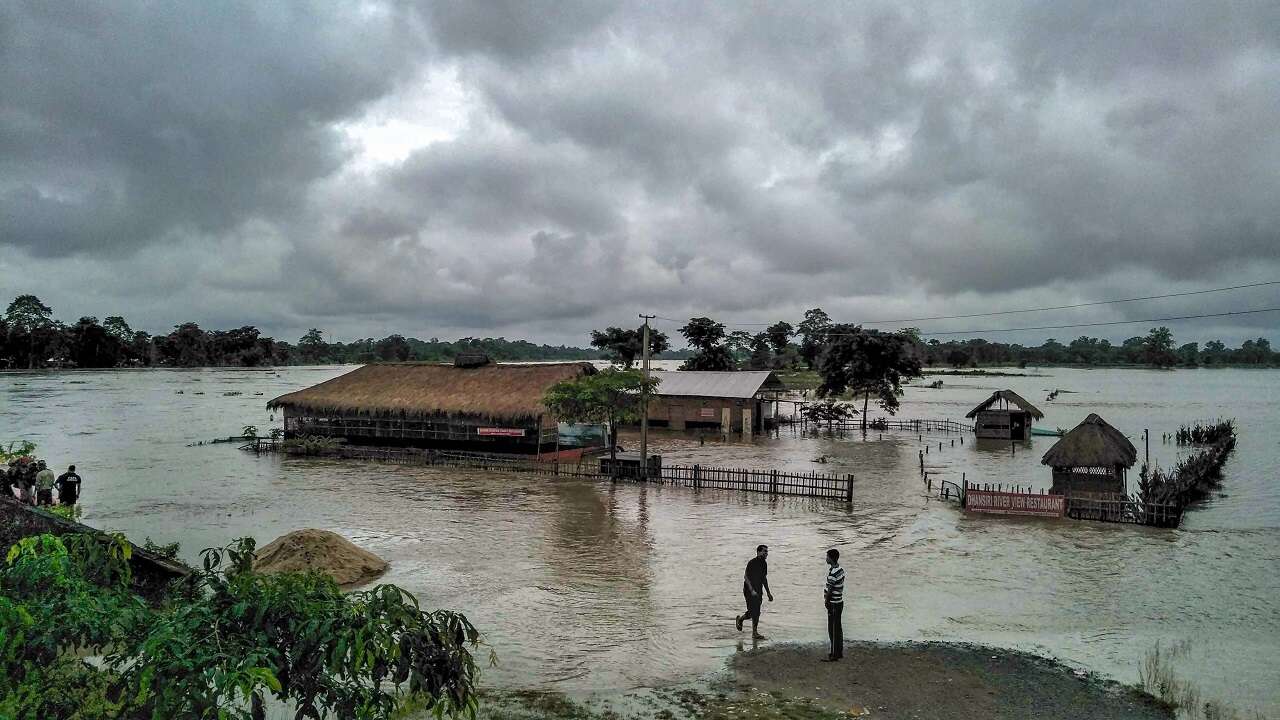
way2barak, Oct.11: Around 34,000 people including 8,378 children from three districts of Assam have been affected by the floods. Due to incessant rainfall in the last few days, flood waters submerged 46 villages in Dhemaji, Dibrugarh and Lakhimpur districts.
 According to the Assam State Disaster Management Authority (ASDMA), the water level of the Brahmaputra river is flowing above the danger level mark at Neamatighat in Jorhat. A total of 15,084 people have been affected alone in the Dhemaji district while 14,895 people were affected in Lakhimpur and 3,857 in the Dibrugarh district.
 The flood report of ASDMA stated that 22 villages in the Dhemaji district, 23 in the Lakhimpur district and one village in the Dibrugarh district have been affected by the current wave of flood. The flood waters have submerged 1,300 hectares of cropland in three districts. The district administration of Dhemaji has set up six relief distribution centres in flood-hit areas. On the other hand, nearly 11,000 domestic animals have also been affected by floods in Dhemaji and Lakhimpur districts.