
Barak UpdatesAnalyticsBreaking News
Assam University Professor Receives ₹89.89 Lakh Grant for Cancer–HIV Researchক্যান্সার–এইচআইভি গবেষণায় ৮৯.৮৯ লক্ষ অনুদান আসাম বিশ্ববিদ্যালয়ের অধ্যাপককে
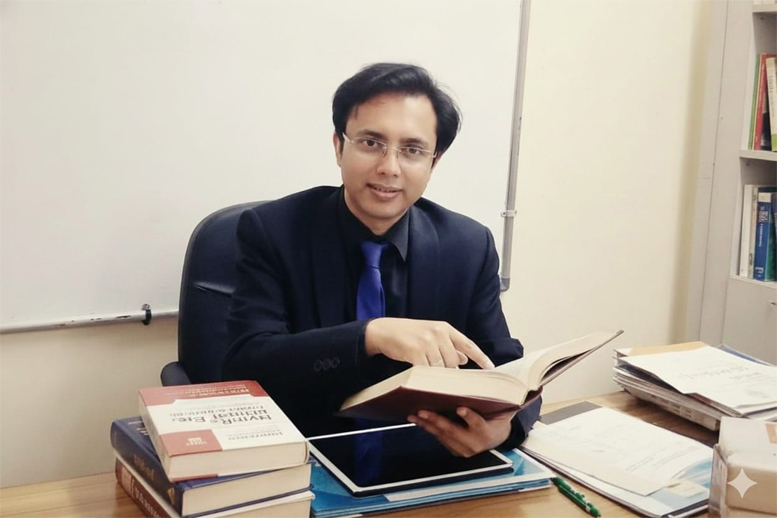
ওয়ে টু বরাক, ২৪ ডিসেম্বর : ক্যান্সার ও এইচআইভি চিকিৎসা সংক্রান্ত গবেষণামূলক প্রকল্পে ৮৯.৮৯ লক্ষ টাকার অনুদান পেলেন আসাম বিশ্ববিদ্যালয়ের রসায়ন বিভাগের অধ্যাপক ড. দেবাশিস সেনগুপ্ত। এই অনুদান মঞ্জুর করেছে কেন্দ্রীয় সরকারের বিজ্ঞান ও প্রযুক্তি মন্ত্রকের অধীনস্থ ডিপার্টমেন্ট অব বায়োটেকনোলজির নর্থ ইস্টার্ন রিজিয়ন ডিভিশন।
এই গবেষণার মাধ্যমে গ্রাফিন-ভিত্তিক ন্যানোস্ট্রাকচার (যেমন গ্রাফিন কোয়ান্টাম ডট) ও আলো-সংবেদনশীল টেট্রাপাইরোলিক ম্যাক্রোসাইকেল অণুর সমন্বয়ে নতুন ধরনের ন্যানোম্যাটেরিয়াল তৈরি করা হবে। এই উপাদানগুলি নির্দিষ্ট তরঙ্গদৈর্ঘ্যের আলো দ্বারা সক্রিয় হয়ে ক্যান্সার বিরোধী (অ্যান্টিনিওপ্লাস্টিক) এবং এইচআইভি-১ বিরোধী উপাদান হিসেবে কাজ করতে পারে কি না, তা পরীক্ষা করাই এই প্রকল্পের মূল লক্ষ্য। এই চিকিৎসা পদ্ধতিটি ‘ফটোডাইনামিক থেরাপি’ নামে পরিচিত।
ড. দেবাশিস সেনগুপ্ত একজন প্রতিষ্ঠিত গবেষক। এর আগেও তিনি এইচআইভি-১ ভাইরাসের বিরুদ্ধে আলো-সক্রিয় উপাদান নিয়ে গুরুত্বপূর্ণ গবেষণার নেতৃত্ব দিয়েছেন। উপাদান রসায়ন, ন্যানোপ্রযুক্তি ও জৈব-চিকিৎসা বিজ্ঞানের সংযোগস্থলে এই আন্তঃবিভাগীয় গবেষণা পরিচালনার জন্য তাঁর অভিজ্ঞতা বিশেষভাবে উল্লেখযোগ্য। আসাম বিশ্ববিদ্যালয়ের রসায়ন বিভাগের গবেষণাগারেই এই কাজ সম্পন্ন হবে।
গবেষণা প্রকল্পটি লক্ষ্যভিত্তিক চিকিৎসার ক্ষেত্রে আন্তর্জাতিক স্তরে নতুন দিশা দেখাতে পারে বলে আশা করা হচ্ছে। প্রকল্পটি সফল হলে, কম পার্শ্বপ্রতিক্রিয়াসহ আরও কার্যকর ও নির্দিষ্ট চিকিৎসা পদ্ধতি উদ্ভাবনের নতুন সম্ভাবনা তৈরি হবে বলে মনে করছেন সংশ্লিষ্টরা।
Way2barak, December 24 : Dr. Devashish Sengupta, Professor in the Department of Chemistry at Assam University, has been awarded a research grant of ₹89.89 lakh for a project focused on cancer and HIV treatment. The grant has been sanctioned by the North Eastern Region Division of the Department of Biotechnology (DBT), under the Ministry of Science and Technology, Government of India.
The project aims to develop novel nanomaterials by combining graphene-based nanostructures—such as graphene quantum dots—with light-sensitive tetrapyrrolic macrocyclic molecules. The core objective of the research is to examine whether these materials, when activated by specific wavelengths of light, can function as effective anti-cancer (antineoplastic) and anti-HIV-1 agents. This treatment approach is known as Photodynamic Therapy (PDT).
Prof. Sengupta is an accomplished researcher and has previously led significant studies on light-activated agents targeting the HIV-1 virus. His expertise in material chemistry, nanotechnology, and biomedical science positions him well to lead this interdisciplinary research. The project will be carried out in the laboratories of the Department of Chemistry at Assam University.
Researchers believe that this study could open new avenues at the international level in the field of targeted therapy. If successful, the project may pave the way for the development of more precise and effective treatment strategies with fewer side effects.